The Complete Guide to Hard Rubbish Disposal in Australia
Hard rubbish disposal is an essential part of keeping Australian homes, businesses, and communities clean and safe. Whether you are renovating your home, replacing old furniture, or clearing out unwanted household items, knowing how to dispose of hard rubbish responsibly can save time, reduce environmental impact, and even help you avoid fines. This guide explains everything you need to know about hard rubbish disposal in Australia.
What Is Hard Rubbish?
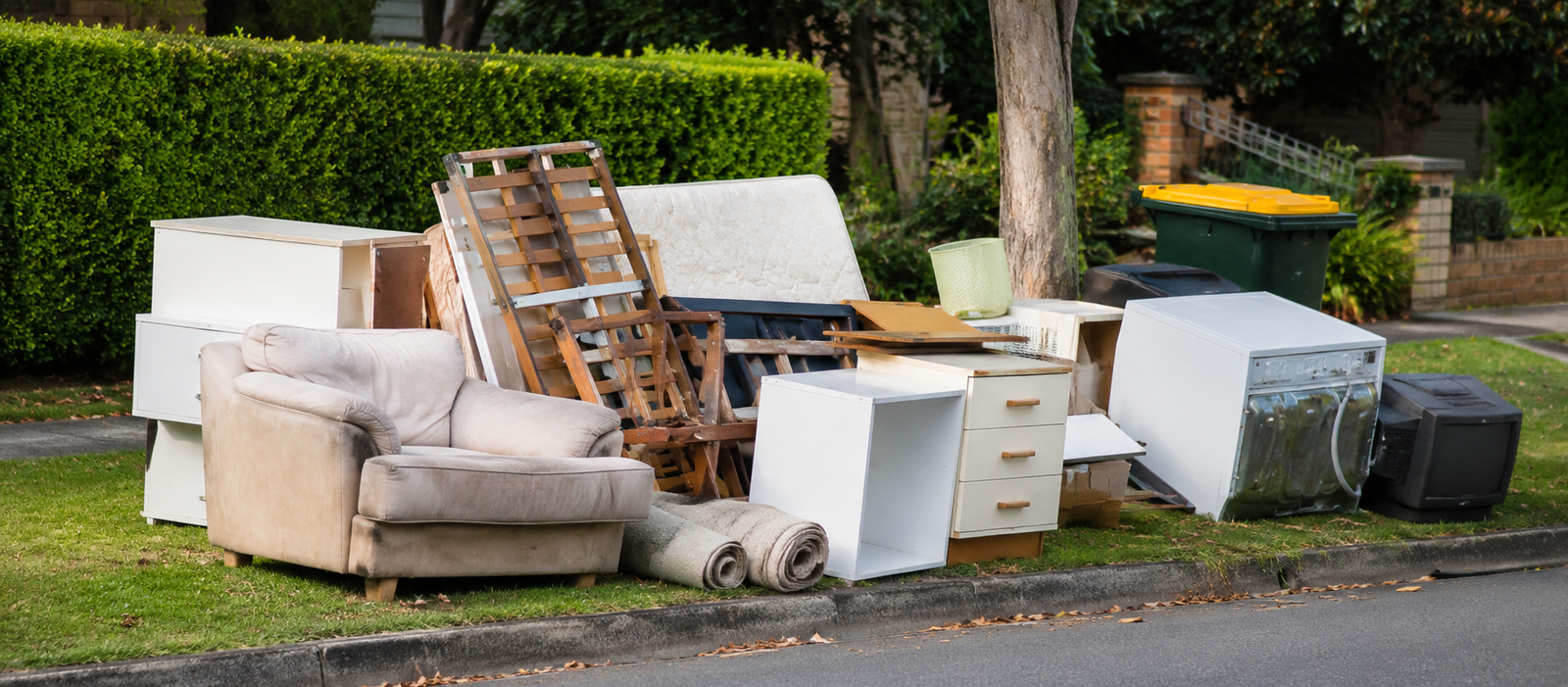
Hard rubbish refers to large household items and bulky waste that cannot fit into your regular rubbish bin. These items are usually collected through council hard waste collections or by professional waste management companies.
Common examples of hard rubbish include:
- Old furniture such as sofas, tables, and chairs
- Mattresses and bed frames
- Household appliances
- Carpets and rugs
- Bicycles
- Garden furniture
- Large toys and play equipment
Some councils may have different rules regarding acceptable items, so it is always important to check local guidelines before disposal.
Why Proper Hard Rubbish Disposal Matters
Improper disposal of bulky waste can harm the environment and create safety hazards. Dumping hard rubbish illegally may block footpaths, attract pests, and pollute public spaces.
Proper disposal offers several benefits:
- Reduces landfill waste
- Encourages recycling and reuse
- Protects the environment
- Keeps neighbourhoods clean
- Supports a circular economy by recovering valuable materials
Responsible waste management ensures that reusable items find a second life while recyclable materials are processed correctly.
Ways to Dispose of Hard Rubbish in Australia
1. Council Hard Waste Collection
Many Australian councils provide scheduled hard rubbish collections for residents. Depending on your location, these services may be available once or twice a year or through a booked collection system.
Before placing items outside, always check:
- Collection dates
- Item limits
- Accepted materials
- Placement instructions
Following council guidelines helps ensure your waste is collected efficiently.
2. Professional Waste Removal Services
If you have more waste than your council accepts or need immediate removal, hiring a professional waste management company is an excellent option.
Professional services offer:
- Fast collection
- Convenient scheduling
- Safe handling of bulky items
- Responsible recycling and disposal
- Suitable solutions for homes and businesses
This option is especially useful during renovations, moving house, or major clean-up projects.
3. Skip Bin Hire
Skip bins are ideal for large quantities of hard rubbish. They allow you to dispose of waste at your own pace while keeping your property organised.
Skip bins are commonly used for:
- Home renovations
- Garage clean-outs
- Office clearances
- Garden projects
Always choose the correct skip bin size to avoid unnecessary costs.
4. Donate Reusable Items
Many hard rubbish items remain in good condition. Furniture, appliances, and household goods can often be donated to charities, community groups, or second-hand stores.
Donating usable items helps reduce landfill waste while supporting families and organisations in need.
What Cannot Go with Hard Rubbish?
Certain materials require special disposal methods and should never be mixed with hard rubbish.
These often include:
- Paint and chemicals
- Asbestos
- Batteries
- Gas cylinders
- Tyres
- Medical waste
- Hazardous chemicals
These items should be taken to designated recycling or hazardous waste facilities.
Recycling Hard Rubbish
Many hard rubbish items contain recyclable materials such as:
- Metal
- Timber
- Plastic
- Glass
- Electronic components
Professional waste management companies often sort collected materials to maximise recycling and minimise landfill disposal. This helps conserve natural resources and reduces greenhouse gas emissions.
Tips for Responsible Hard Rubbish Disposal
To make disposal easier and more environmentally friendly, consider these practical tips:
- Separate recyclable items before disposal.
- Donate usable furniture and appliances.
- Book collections in advance.
- Avoid illegal dumping.
- Break down large items if safe to do so.
- Use licensed waste removal providers.
- Follow local council disposal guidelines.
These simple steps make waste management more efficient while protecting the environment.
Choosing the Right Waste Disposal Service
When selecting a hard rubbish removal company, look for one that offers:
- Licensed waste disposal
- Strong recycling practices
- Flexible collection times
- Competitive pricing
- Reliable customer service
- Experience handling bulky waste
A trusted provider ensures your unwanted items are disposed of safely and responsibly.
conclusion
Hard rubbish disposal is an important part of maintaining a clean, healthy, and sustainable Australia. Whether you use your local council collection, hire a skip bin , donate reusable items, or choose a professional waste removal service, responsible disposal helps protect the environment and supports better recycling outcomes.
By understanding what qualifies as hard rubbish and selecting the right disposal method, you can reduce landfill waste, improve community cleanliness, and contribute to a greener future. Making smart waste disposal choices today benefits both your household and the environment for years to come.