Seasonal Garden Clean-Up? Here’s the Best Way to Dispose of Green Waste
Seasonal garden clean-up is an important part of keeping your outdoor space healthy, attractive, and safe. Whether you’re pruning trees in autumn, clearing fallen leaves, trimming hedges, or removing weeds in spring, these tasks often create large amounts of green waste. Knowing the best way to dispose of garden waste not only keeps your property tidy but also helps protect the environment.
In this guide, we’ll explore the smartest and most eco-friendly ways to dispose of green waste after your seasonal garden clean-up.
What Is Green Waste?
Green waste refers to biodegradable garden materials that naturally decompose over time. Common examples include:
- Grass clippings
- Tree branches and twigs
- Hedge trimmings
- Leaves
- Weeds
- Flowers and plants
- Small shrubs
Unlike general household rubbish, green waste can often be recycled or composted, making it a more sustainable option.
Why Proper Green Waste Disposal Matters
Improper disposal of green waste can create unnecessary landfill waste and harm the environment. Large piles of garden debris may also attract pests, block drainage systems, and become a fire hazard during dry seasons.
Responsible disposal offers several benefits:
- Reduces landfill waste
- Supports recycling and composting
- Keeps gardens clean and healthy
- Prevents pest infestations
- Protects the local environment
Choosing the right disposal method helps turn garden waste into valuable resources instead of unnecessary rubbish.
Best Ways to Dispose of Green Waste
1. Compost Small Garden Waste
If you have a home compost bin, composting is one of the most environmentally friendly solutions. Leaves, grass clippings, small branches, and plant cuttings break down naturally and become nutrient-rich compost for your garden.
However, avoid adding diseased plants, invasive weeds, or chemically treated materials to your compost pile.
2. Use a Green Waste Bin
Many local councils provide dedicated green waste bins for residents. These bins are collected regularly and taken to recycling facilities where the materials are processed into compost or mulch.
This is a simple option for households that produce moderate amounts of garden waste throughout the year.
3. Mulch Garden Clippings
Instead of throwing everything away, many garden materials can be reused as mulch. Wood chips, leaves, and grass clippings help retain soil moisture, reduce weed growth, and improve soil quality over time.
Mulching is both cost-effective and environmentally friendly.
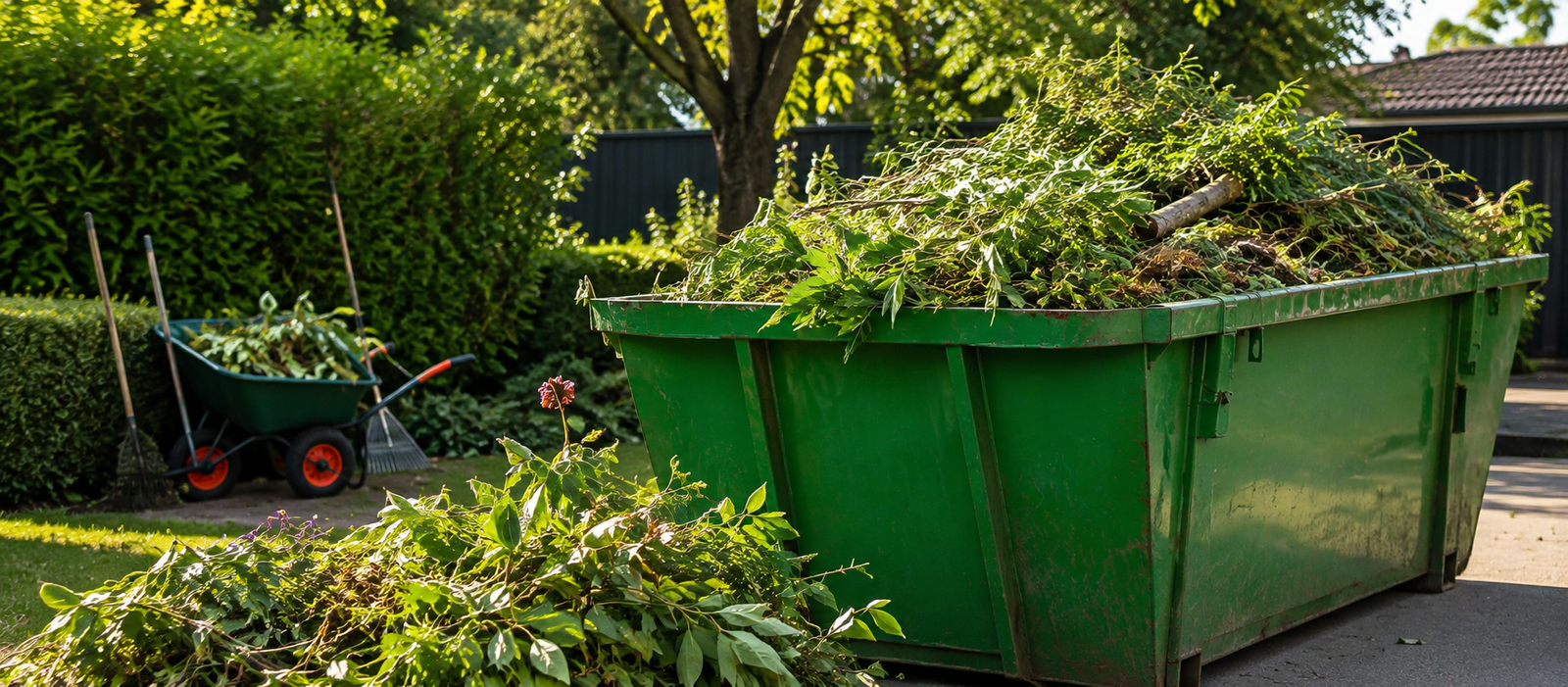
4. Hire a Skip Bin for Large Clean-Ups
Seasonal garden maintenance often produces more waste than standard bins can handle. Tree pruning, hedge removal, landscaping projects, and storm clean-ups can quickly generate bulky piles of branches and vegetation.
Hiring a green waste skip bin provides a convenient solution. It allows you to collect all garden waste in one place before it is transported to an appropriate recycling facility. This saves time, reduces multiple trips to disposal centres, and keeps your property organised during the project.
Professional skip bin providers also ensure that green waste is disposed of responsibly whenever possible.
What Should Not Go with Green Waste?
To ensure proper recycling, avoid mixing green waste with other materials such as:
- Plastic bags
- Food packaging
- Household rubbish
- Building materials
- Soil mixed with concrete or bricks
- Treated timber
- Metal or glass
Keeping green waste separate helps recycling facilities process it more efficiently.
Tips for Easier Garden Clean-Up
A little planning can make seasonal garden maintenance much easier.
- Trim plants regularly instead of waiting for major overgrowth.
- Bundle larger branches together for easier handling.
- Separate recyclable materials before disposal.
- Wear protective gloves and safety equipment while pruning.
- Choose the right-sized waste bin or skip for your project.
These simple steps help reduce mess and make waste disposal faster.
Choose the Sustainable Option
Every garden clean-up creates an opportunity to reduce environmental impact. Rather than sending everything to landfill, consider composting, mulching, or using a professional green waste recycling service. These methods help return valuable organic material back into the environment while keeping your property neat and healthy.
If you’re tackling a large seasonal clean-up, professional green waste collection is often the most practical and efficient solution.
Conclusion
Seasonal garden clean-up doesn’t have to result in unnecessary waste. By choosing responsible disposal methods such as composting, mulching, council green waste collection, or hiring a green waste skip bin, you can maintain a beautiful garden while protecting the environment.