How to Choose the Right Skip Bin Size for Your Waste
Choosing the right skip bin size can make waste removal easier, faster, and more affordable. Whether you are cleaning out your home, renovating a property, managing a construction site, or handling garden waste, selecting the correct bin size helps you avoid unnecessary costs and extra collections.
If you choose a bin that is too small, you may need to hire another one. If you choose one that is too large, you could pay for unused space. This guide explains how to choose the right skip bin size for your waste and make your waste disposal more efficient.
Why Skip Bin Size Matters
The amount and type of waste you produce should determine the skip bin size you hire. Different projects create different volumes of rubbish, so there is no single bin size that suits every situation.
A correctly sized skip bin gives you enough space to dispose of your waste safely without wasting money. It also keeps your worksite, driveway, or property cleaner and more organised.
Before hiring a skip bin, consider the type of project, the amount of waste, and how long the project will take.
Common Skip Bin Sizes
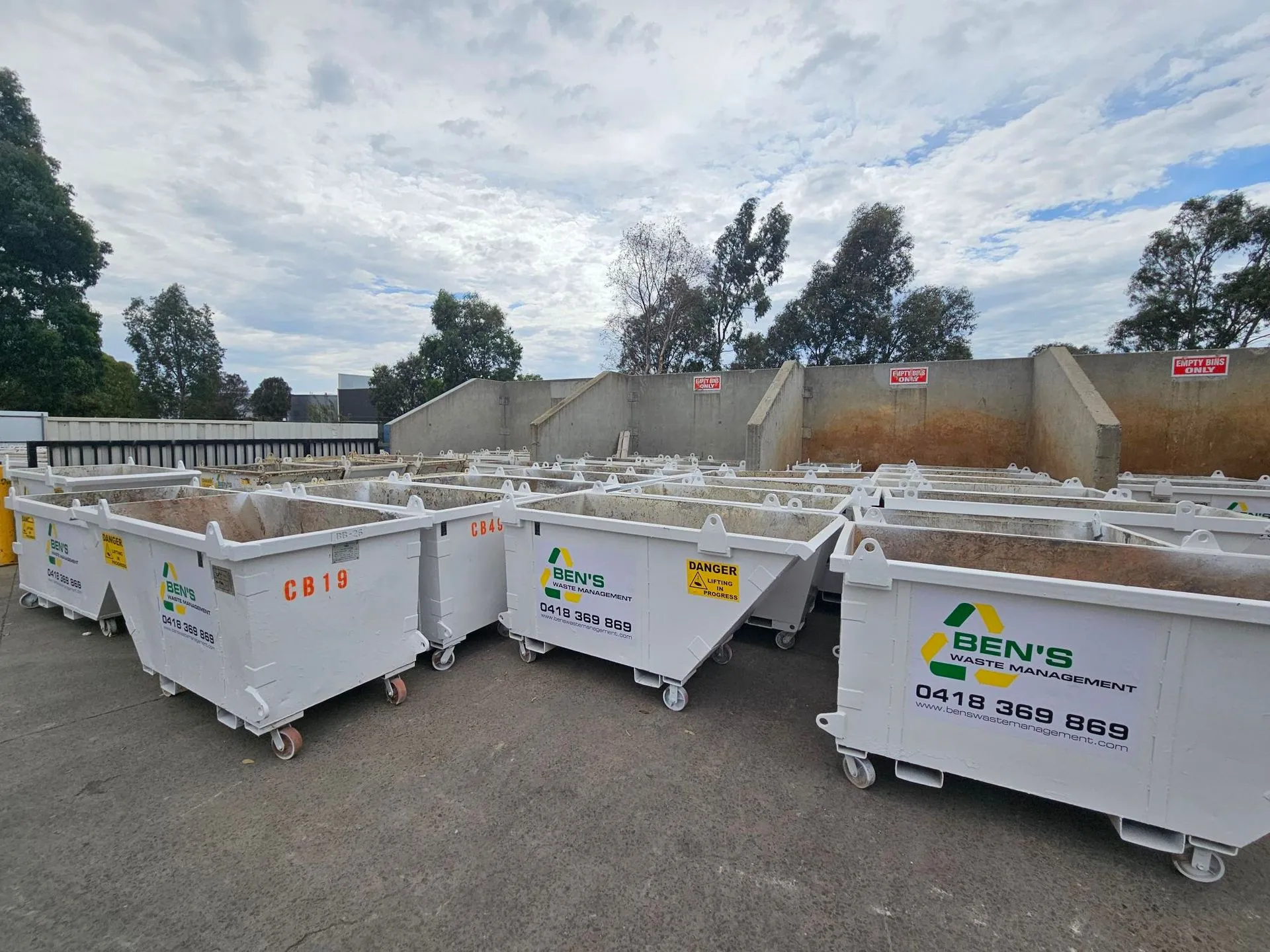
Skip bins come in different sizes to suit residential, commercial, and construction projects. While sizes can vary between providers, common options include:
Small Skip Bins
Small bins work well for minor clean-ups, small garden projects, decluttering, and limited household waste. They are a practical choice when you only have a small amount of rubbish to remove.
Medium Skip Bins
Medium-sized bins are suitable for home renovations, larger clean-ups, bathroom upgrades, and landscaping projects. They provide additional capacity without taking up excessive space.
Large Skip Bins
Large bins are ideal for major renovations, construction work, demolition projects, and commercial clean-ups. They can handle larger quantities of materials such as timber, bricks, concrete, metal, and general construction waste.
Consider the Type of Waste
Volume is not the only factor to consider when choosing a skip bin. The type of waste also matters.
For example, heavy materials such as concrete, soil, bricks, and tiles can quickly increase the weight of a bin. Some skip bins may have specific weight restrictions, so always check the provider’s requirements before placing heavy materials inside.
Lighter materials such as furniture, cardboard, packaging, timber, and general household rubbish usually allow you to use the available space more efficiently.
If your project produces several types of waste, ask your waste management provider which bin is most suitable.
Estimate Your Waste Volume
Try to estimate how much rubbish your project will generate before ordering a skip bin. Make a list of the main materials you expect to remove and consider how much space they will occupy.
It is usually better to allow a little extra capacity rather than filling a bin beyond its safe level. However, avoid choosing an unnecessarily large bin simply because you are unsure about the waste volume.
If you cannot estimate the amount accurately, a professional waste management provider can help you select a suitable size.
Think About Where You Will Place the Bin
Available space can also influence your decision. Measure your driveway, property entrance, or designated bin area before booking.
Make sure there is enough room for the skip bin and delivery vehicle. You should also consider access for loading waste safely throughout the project.
Planning the placement in advance can prevent delivery problems and make your clean-up more convenient.
Avoid Overfilling Your Skip Bin
Never fill a skip bin above its designated fill line. Overfilled bins can create safety hazards and may not be suitable for transportation.
Break down large items where possible and distribute waste evenly throughout the bin. This helps maximise available space while keeping the load stable.
Choose a Reliable Waste Management Provider
Choosing the right skip bin size becomes easier when you work with an experienced waste management provider. A reliable company can recommend the appropriate bin based on your project, waste type, available space, and estimated volume.
For residential clean-ups, renovations, construction projects, and commercial waste, professional advice can help you avoid unnecessary expenses and make disposal more efficient.
conclusion
Choosing the right skip bin size for your waste can save time, money and effort. Start by assessing the amount and type of waste you expect to produce, consider the available space, and check any weight or material restrictions.
When you are unsure, speak with a professional skip bin provider before booking. The right bin will give you enough capacity to complete your project efficiently while keeping your property or worksite clean and organised.