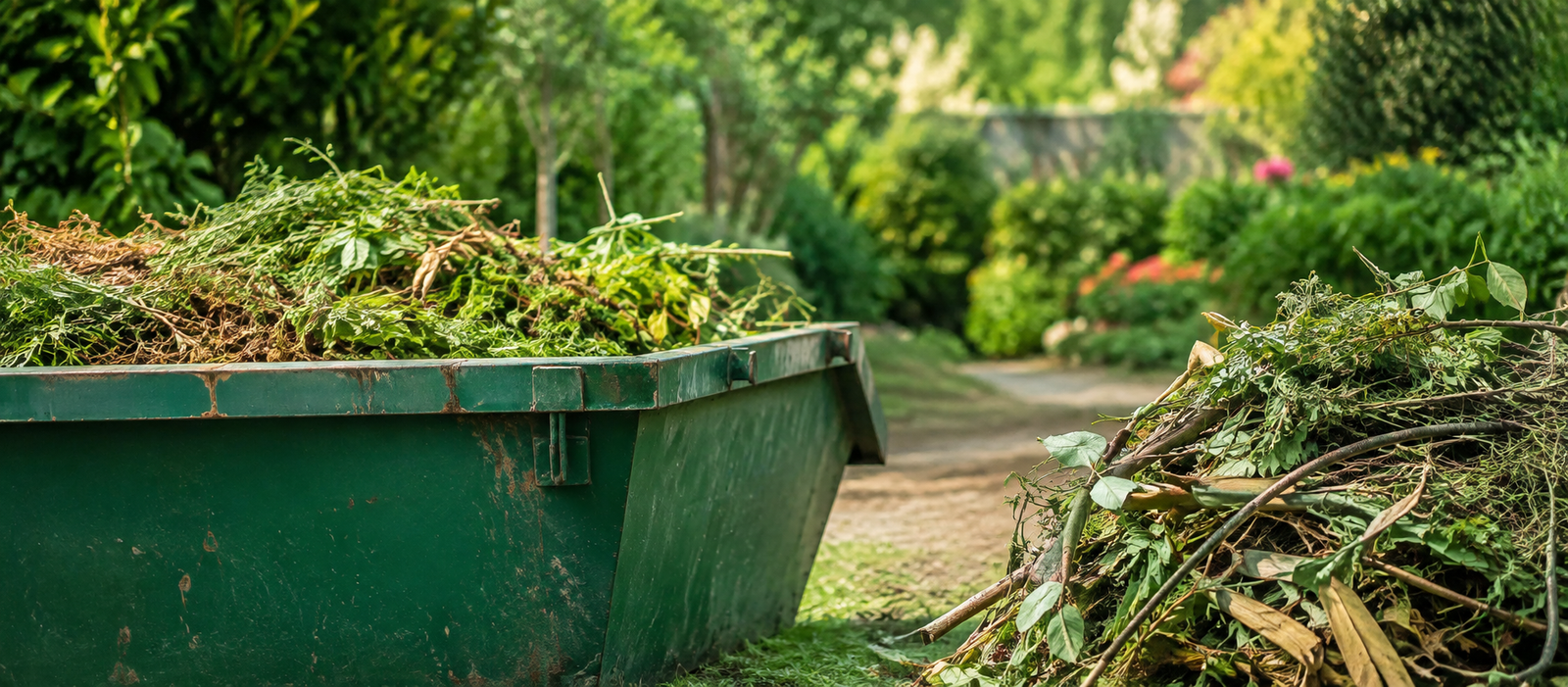
Green Waste Disposal Explained: What You Need to Know Before Hiring a Skip Bin
Proper green waste disposal is an essential part of maintaining a clean, healthy, and environmentally friendly property. Whether you’re trimming trees, mowing the lawn, or completing a major garden makeover, disposing of green waste correctly helps reduce landfill waste and supports sustainable recycling practices. Hiring a skip bin is one of the easiest and most efficient ways to manage large amounts of garden waste, but it’s important to understand what can and cannot go into the bin before booking one.
In this guide, we’ll explain everything you need to know about green waste disposal and how to choose the right skip bin for your project.
What Is Green Waste?
Green waste refers to biodegradable garden and landscaping materials that naturally break down over time. Common examples include:
- Grass clippings
- LeavesSkip Bin
- Tree branches
- Shrubs and hedge trimmings
- Weeds
- Flowers and plants
- Small logs and bark
- Garden pruning waste
Unlike general household rubbish, green waste can often be recycled into compost, mulch, and other useful products, making it an environmentally responsible waste stream.
Why Proper Green Waste Disposal Matters
Improper disposal of garden waste can harm the environment. Dumping green waste in bushland, waterways, or vacant land may spread weeds, pests, and plant diseases while contributing to pollution.
Recycling green waste offers several benefits:
- Reduces landfill waste
- Produces compost and mulch for landscaping
- Lowers greenhouse gas emissions
- Supports sustainable waste management
- Keeps gardens and outdoor spaces clean and safe
By using a dedicated green waste skip bin, you help ensure that your garden waste is processed correctly and reused wherever possible.
When Should You Hire a Green Waste Skip Bin?
A skip bin is ideal when your garden project creates more waste than your regular council green bin can handle.
Consider hiring a skip bin if you’re:
- Completing a seasonal garden clean-up
- Removing trees or large shrubs
- Landscaping your backyard
- Clearing an overgrown property
- Renovating outdoor areas
- Preparing a property for sale
Hiring a skip bin saves multiple trips to the local waste facility and allows you to complete your project more efficiently.
What Can Go Into a Green Waste Skip Bin?
Most green waste skip bins accept natural garden materials only.
Accepted items generally include:
- Grass and lawn clippings
- Tree branches
- Leaves
- Bush and hedge trimmings
- Flowers
- Plants
- Twigs
- Untreated timber offcuts (depending on the provider)
Always confirm accepted materials with your skip bin company, as guidelines may vary between providers.
What Should Not Go Into the Bin?
To ensure green waste can be recycled, avoid placing the following items into your green waste skip bin:
- Household rubbish
- Plastic bags
- Food waste
- Soil (unless permitted)
- Rocks and concrete
- Treated or painted timber
- Metal
- Glass
- Bricks
- Hazardous chemicals
- Batteries
- Garden tools
Mixing general waste with green waste may result in additional charges or prevent the entire load from being recycled.
Choosing the Right Skip Bin Size
Selecting the correct skip bin size helps you avoid paying for unnecessary capacity or needing a second bin.
As a general guide:
- 2–3 cubic metres – Small garden tidy-ups
- 4–6 cubic metres – Medium landscaping projects
- 6–8 cubic metres – Large garden renovations or tree removal
If you’re unsure which size you need, speak with your skip bin provider. They can recommend the most suitable option based on your project.
Tips for Maximising Your Skip Bin Space
Getting the most from your skip bin can reduce costs and improve efficiency.
Here are a few helpful tips:
- Cut large branches into smaller pieces.
- Stack materials neatly instead of throwing them randomly.
- Place heavier items at the bottom.
- Avoid overfilling above the bin’s rim.
- Keep non-green waste separate.
Careful loading makes collection safer and helps maximise available space.
Environmental Benefits of Green Waste Recycling
Most green waste collected from skip bins doesn’t end up in landfill. Instead, it is processed into valuable products such as compost, mulch, and soil conditioners that benefit agriculture, landscaping, and gardening.
This recycling process conserves natural resources, reduces methane emissions from landfill, and supports Australia’s growing focus on sustainable waste management.
Every properly sorted load of green waste contributes to a cleaner environment and a stronger circular economy.
conclusion
Hiring a green waste skip bin is one of the simplest and most effective ways to manage garden waste during clean-ups, landscaping projects, or property maintenance. Understanding what qualifies as green waste, choosing the right bin size, and following your provider’s guidelines will help ensure your waste is recycled responsibly.
Whether you’re tackling a small backyard clean-up or a large landscaping project, proper green waste disposal protects the environment, saves time, and keeps your property looking its best. By choosing a reliable skip bin service, you can complete your project with confidence while contributing to a greener and more sustainable Australia.