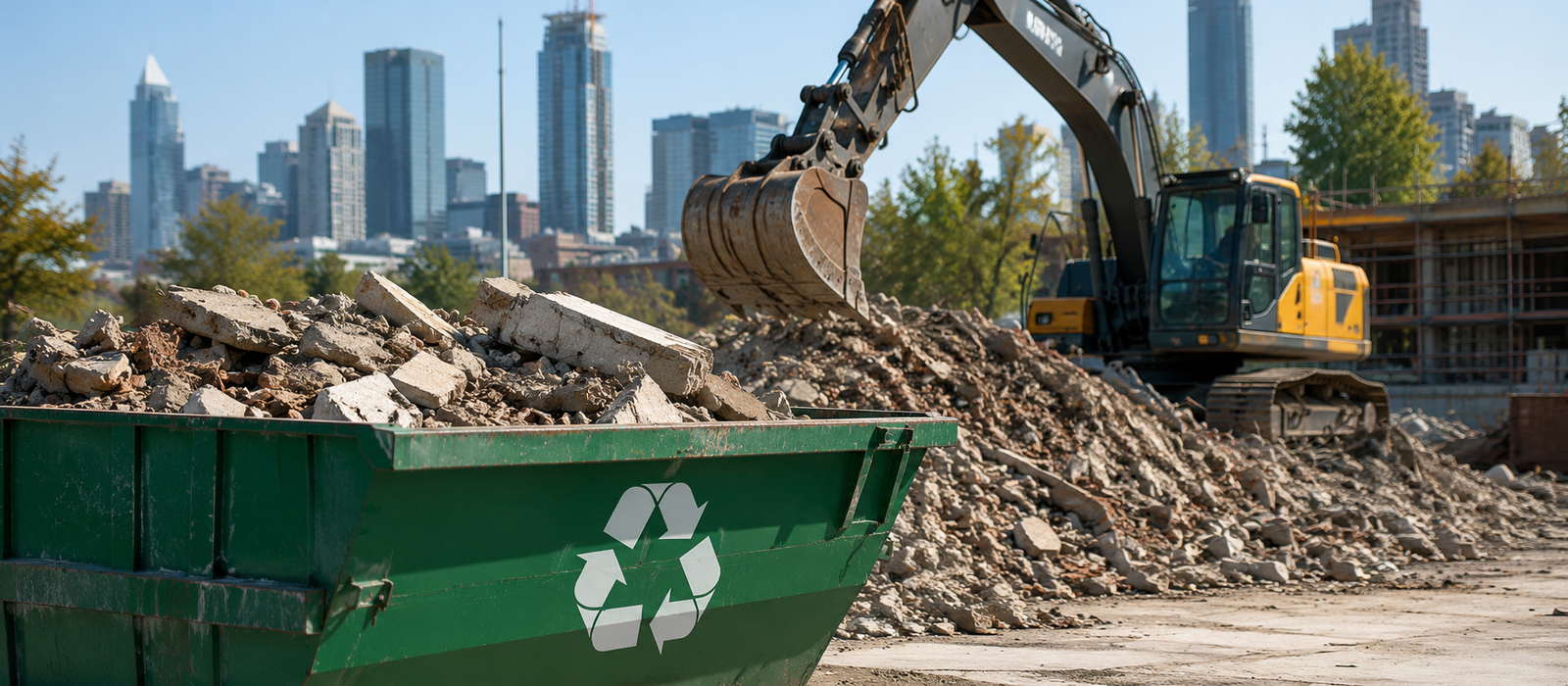
The Importance of Recycling Construction Waste for Melbourne Builders
Construction projects produce large amounts of waste every day, from concrete and bricks to timber, metal, plasterboard, and soil. Without proper disposal, this waste ends up in landfill, increasing environmental damage and disposal costs. For builders in Melbourne, recycling construction waste is no longer just a responsible choice—it is a smart business practice that benefits the environment, clients, and project budgets.
What Is Construction Waste Recycling?
Construction waste recycling is the process of collecting, sorting, and reusing materials generated during construction, renovation, and demolition projects. Instead of sending everything to landfill, recyclable materials such as concrete, steel, timber, bricks, and asphalt are processed and turned into valuable resources for future construction work.
By separating recyclable materials at the worksite, builders can significantly reduce waste while making better use of available resources.
Environmental Benefits of Recycling Construction Waste
Melbourne continues to experience rapid growth, leading to increased construction activity across residential, commercial, and infrastructure projects. As construction expands, so does the amount of waste produced.
Recycling construction waste helps:
- Reduce landfill waste
- Preserve natural resources
- Lower greenhouse gas emissions
- Reduce energy used in manufacturing new materials
- Support a cleaner and more sustainable environment
Many recycled materials can be reused multiple times, helping create a circular economy where valuable resources stay in use rather than being discarded.
Cost Savings for Builders
Waste disposal can be a significant expense on any construction project. Recycling helps reduce these costs by minimising the amount of waste sent to landfill.
Builders can save money through:
- Lower landfill disposal fees
- Reduced transport costs
- Better waste management efficiency
- Improved use of reusable materials
- Reduced need to purchase new raw materials
Effective waste sorting on-site also makes projects more organised, reducing delays caused by waste handling.
Supporting Sustainable Building Practices
Sustainability has become a major focus within Australia’s construction industry. Many developers, homeowners, and commercial clients now prefer working with builders who follow environmentally responsible practices.
Recycling construction waste demonstrates a commitment to sustainable building by:
- Conserving valuable natural resources
- Reducing environmental impact
- Supporting green building initiatives
- Improving project sustainability ratings
- Meeting client expectations for environmentally responsible construction
Builders who prioritise recycling often strengthen their reputation and attract environmentally conscious customers.
Common Construction Materials That Can Be Recycled
Many materials generated on construction sites can be recycled instead of being thrown away.
These include:
- Concrete
- Bricks
- Asphalt
- Steel and other metals
- Timber
- Glass
- Plasterboard
- Cardboard and packaging
- Clean soil and rubble
Proper sorting ensures these materials can be processed efficiently and reused in future projects.
Meeting Melbourne’s Waste Management Goals
Victoria continues to encourage better waste recovery and resource recycling to reduce reliance on landfill. Construction companies play an important role in achieving these sustainability goals.
By recycling construction waste, builders help:
- Reduce pressure on landfill sites
- Improve resource recovery rates
- Support local recycling industries
- Contribute to a cleaner Melbourne
Responsible waste management also helps businesses stay prepared as environmental standards continue to evolve.
Improving Site Safety and Efficiency
Construction sites with organised waste management systems are generally cleaner and safer. Regular waste collection and recycling reduce clutter, minimise trip hazards, and create more efficient working conditions.
Benefits include:
- Cleaner work areas
- Improved worker safety
- Easier material handling
- Faster site operations
- Better overall project organisation
A tidy site also leaves a positive impression on clients, inspectors, and neighbouring communities.
Choosing the Right Recycling Partner
Working with a reliable recycling company makes construction waste management much easier. Experienced recycling providers offer suitable skip bins, timely collections, and proper processing of recyclable materials.
When selecting a recycling partner, builders should look for:
- Reliable collection services
- Clear waste sorting guidance
- Environmentally responsible recycling practices
- Competitive pricing
- Experience handling construction and demolition waste
A trusted recycling partner helps maximise material recovery while keeping projects compliant and efficient.
Conclusion
Recycling construction waste is an essential part of modern building practices in Melbourne. It reduces landfill waste, lowers disposal costs, conserves valuable resources, and supports environmentally responsible construction. By adopting effective recycling strategies and partnering with experienced waste management providers, Melbourne builders can improve project efficiency while contributing to a cleaner, greener future. Investing in construction waste recycling is not only good for the environment—it is also a smart decision for long-term business success.