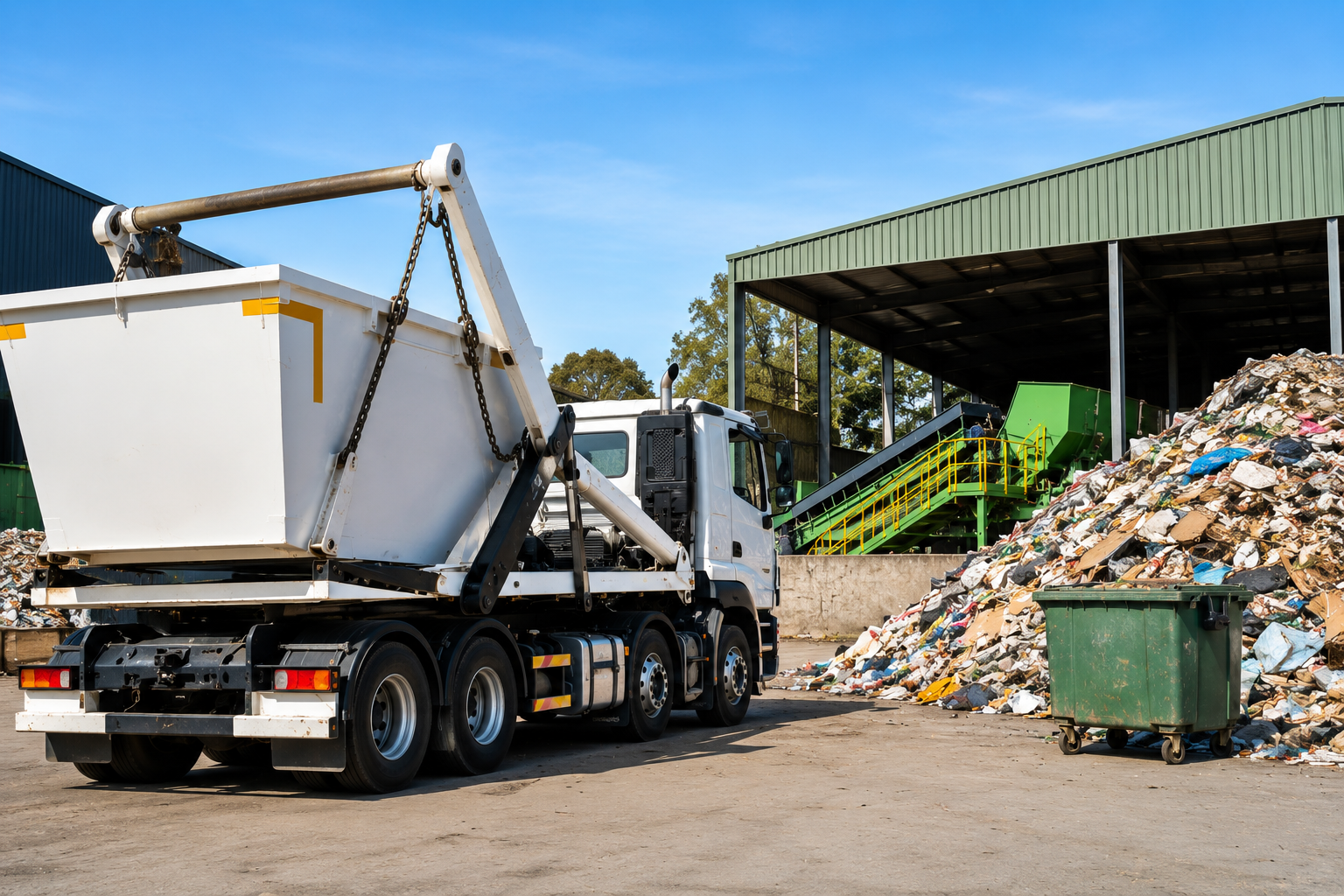
What Happens to Your Waste After Skip Bin Collection in Melbourne?
When you hire a skip bin in Melbourne, it’s easy to assume that your waste simply gets “taken away.” But have you ever wondered what really happens after the truck drives off? Understanding the waste management process not only builds trust but also helps you make more eco-conscious decisions.
In this guide, we’ll walk you through the journey of your waste after you skip bin collection in Melbourne, from pickup to recycling, landfill, and beyond.
1. Collection and Transportation
Once your skip bin is collected, it is transported by a licensed waste management company to a designated facility. These facilities are strategically located across Melbourne to minimize travel time and reduce carbon emissions.
Depending on the type of waste in your bin—general waste, green waste, construction debris, or mixed waste—the load may be taken to different processing centers. Responsible companies ensure compliance with Victoria’s strict environmental regulations during transportation.
2. Waste Sorting and Segregation
At the processing facility, your waste doesn’t just get dumped into a landfill. Instead, it goes through a detailed sorting process.
Manual and Mechanical Sorting
Manual Sorting: Workers separate large or hazardous items.
Mechanical Sorting: Advanced machinery like conveyor belts, magnets, and air classifiers sort materials based on weight, size, and composition.
Key Materials Separated
Metals (steel, aluminum)
Plastics
Paper and cardboard
Glass
Organic waste
This step is crucial because it determines how much waste can be recycled instead of sent to landfill.
3. Recycling Process
A significant portion of waste collected from skip bins in Melbourne is recyclable. Once sorted, recyclable materials are sent to
specialized recycling facilities.
Common Recycling Streams
Metals: Melted and reused in manufacturing.
Plastics: Processed into pellets for new products.
Paper/Cardboard: Turned into pulp for reuse.
Concrete and Bricks: Crushed and reused in construction.
Melbourne has a strong recycling infrastructure, and many skip bin providers aim to recycle up to 70–80% of collected waste.
4. Green Waste Processing
If your skip bin contains garden waste such as branches, leaves, or grass, it is typically sent to a green waste facility.
What Happens There?
Waste is shredded and composted
Converted into mulch or soil conditioners
Used in landscaping, agriculture, or public parks.
This process supports Melbourne’s sustainability goals by reducing landfill dependency and enriching soil health.
5. Handling Hazardous Waste
Certain items—like chemicals, batteries, asbestos, or electronic waste—require special handling.
Important Note:
These materials are not always accepted in standard skip bins. If they are found, they are carefully separated and sent to licensed hazardous waste facilities for safe disposal or treatment.
Improper disposal of hazardous waste can harm both the environment and human health, which is why strict regulations are enforced.
6. Landfill Disposal (Last Resort)
After sorting and recycling, any remaining non-recyclable waste is sent to landfill sites.
Modern Landfill Practices in Melbourne.
Engineered liners prevent soil contamination
Gas capture systems collect methane for energy.
Waste is compacted to reduce space usage
While landfill is the least desirable option, it is still a necessary part of the waste management system for materials that cannot be reused or recycled.
7. Waste-to-Energy Initiatives
Melbourne is gradually adopting waste-to-energy technologies. These systems convert non-recyclable waste into electricity or heat.
Although still developing, this approach helps reduce landfill use and contributes to renewable energy generation.
8. Environmental Impact and Sustainability
Choosing a responsible skip bin provider can significantly impact the environment.
Companies committed to sustainability:
Maximize recycling rates
Reduce landfill waste
Follow eco-friendly disposal practices
As a customer, you can also help by properly sorting your waste before placing it in the bin.
9. Tips to Ensure Your Waste Is Managed Responsibly
To make the most of your skip bin hire:
Separate recyclables where possible
Avoid mixing hazardous materials
Choose a provider with transparent recycling policies
Opt for the right bin type for your waste
These small steps can make a big difference in reducing environmental impact.
Conclusion
So, what happens to your waste after skip bin collection in Melbourne? It goes through a structured journey—collection, sorting, recycling, and responsible disposal. Contrary to common belief, most waste doesn’t just end up in landfill.
With advanced recycling systems and growing sustainability efforts, Melbourne is leading the way in responsible waste management. By understanding the process and making informed choices, you play a vital role in creating a cleaner, greener future.